Every year as the Atlantic hurricane season approaches, Floridians watch NOAA's seasonal outlook closely. A below-normal forecast can feel like a green light to relax, but does it really mean you can skip your Florida hurricane prep? This blog explains why quiet season complacency is risky, the limits of NOAA seasonal outlooks, and how your timeline for prep ties to hurricane watch triggers— especially for curbside collection and debris management. Plus, we’ll spotlight a frequently overlooked yet dangerous factor: yard debris as projectile risks.
Understanding NOAA Seasonal Outlooks
The National Oceanic and Atmospheric Administration (NOAA) releases seasonal hurricane outlooks every spring and updates them mid-season. These forecasts estimate how active the upcoming hurricane season might be — labelling seasons as above-normal, near-normal, or below-normal. While helpful, they have important limits.
What a Below-Normal Forecast Means—and Doesn’t Mean
- Lower Odds of Overall Activity: A below-normal forecast means fewer named storms, hurricanes, or major hurricanes compared to the long-term average. Not No Storms: It doesn’t mean zero storms or zero risk for your area. One single hurricane striking Florida can cause major damage even in a below-normal season. Uncertain Landfall Locations: NOAA forecasts total Atlantic basin activity; they do not predict landfall locations or specific impacts. Wide Confidence Intervals: These are probabilistic outlooks, so actual activity can still deviate widely from the forecast.
In other words, a below-normal outlook is not a pass to skip prepping. Think of it like a weather forecast saying “20% chance of rain.” It doesn’t say “no rain in your yard.”
Quiet Season Complacency: A Risk You Can’t Afford
Florida’s hurricane season officially runs June 1 through November 30, but peak season runs from mid-August to late October. Complacency often creeps in during "quiet" months early in the season or when NOAA predicts below-normal activity.
Why Quiet Months Can Still Bring Trouble
- Examples exist of early- or late-season storms making landfall unexpectedly. Flipping the mental switch too late can mean scrambling after watches and warnings are issued. Key hurricane watch triggers in your community can cause important shifts—like curbside collection suspension—on very short notice.
Waiting until a hurricane watch is issued to start prepping means you risk missing important deadlines like securing outdoor furniture, trimming yard debris, and moving vehicles. Some Florida counties suspend normal curbside trash and yard debris pickups immediately upon watch issuance to prevent debris from blowing around and becoming projectiles. This disrupts your usual cleanup routines when you can least afford it.
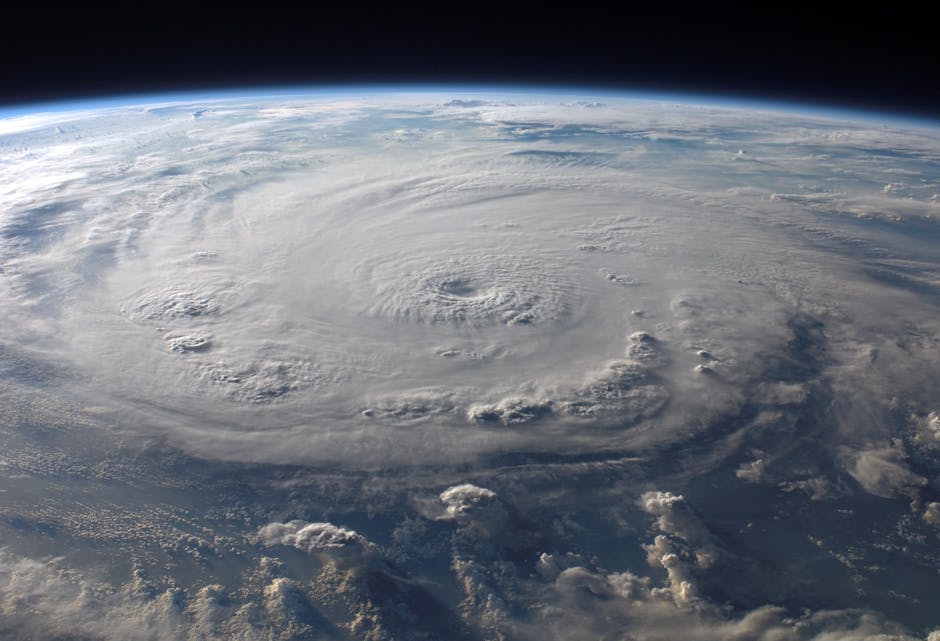
One Landfall Risk: Why It Only Takes One
Your Florida hurricane prep plan should reflect that it takes only one storm. The entire season’s activity matters less than what crosses your doorstep. Below-normal does not mean storm-free. In fact, a single well-placed hurricane can cause catastrophic damage:
- Residential and commercial structural damage Widespread power outages Flooding and wind-borne debris hazards Interruptions to basic services and emergency response capabilities
Preparing for that one impact is essential. Waiting for NOAA’s mid-season outlook adjustments or political hype doesn’t reduce risk once a severe storm materializes.
Peak Season Timing and Your Prep Checklist
Timing is everything in Florida hurricane prep, no matter the southfloridareporter forecast. Here’s a simple monthly checklist aligned with typical peak season timelines and municipal hurricane watch triggers.
Month Key Prep Tasks Watch & Collection Triggers June- Review/update emergency kit and family communication plan. Check insurance policies and update if needed. Start identifying yard clutter and weak outdoor items.
- Begin trimming trees and removing dead branches. Secure loose outdoor furniture and garden ornaments. Stock up on bottled water and non-perishables.
- Final yard debris cleanup—do not wait for last-minute removal. Revisit and practice evacuation routes. Monitor NOAA updates daily.
- Hurricane watch triggers curbside collection suspension. Park vehicles off street if required. Community shelters may open.
- Maintain vigilance, watch forecasts hourly during active storm threats. Top off fuel tanks and secure important documents. Prepare for potential power outages.
Yard Debris: More Than Just a Mess—A Projectiles Risk
One of the most overlooked prep failures is yard debris. Branches, leaves, loose yard waste, and trash placed curbside become dangerous flying missiles in high winds.
What Can Become a Projectile?
This question is my constant yard walk mantra. Here are common culprits that become hazardous when winds pick up:

- Tree branches and garden cuttings Empty plant pots and garden tools Trash bags and loose household material Lightweight outdoor furniture and decor Loose construction materials like plywood or insulation scraps
Local governments often issue curbside collection suspension as soon as a tropical storm or hurricane watch is declared. This prevents piles of yard waste from being on streets where they blow into power lines, cars, neighbors’ windows, and responders’ paths.
Don’t wait for curbside suspension to clean up. Last-minute attempts leave debris unmanaged, increasing risk.
Put It All Together: Your Prep Mindset for Any Season
Whether NOAA forecasts below normal or above, consider these key takeaways:
Don’t Let Quiet Seasons Create Complacency: One well-placed storm is all it takes. Use NOAA Outlooks as a Guide, Not a Guarantee: Always prep as if a hurricane can impact your area this season. Start Early and Follow Your Monthly Checklist: Waiting until watches are active severely limits your options. Manage Yard Debris and Outdoor Items Ahead of Time: Know what can become projectiles and eliminate that risk early. Understand Hurricane Watch Triggers: These local directives affect services like curbside pickup and signal time-sensitive prep actions.In hurricane country, preparation beats prediction. You control your safety more than you control the weather. So, no matter the outlook, stay ahead of the storm and keep your family and property protected.
Extra Resources
- NOAA Atlantic Hurricane Seasonal Outlook Florida Division of Emergency Management Hurricane Prep What Hurricane Watch and Warning Mean